Picking Between Assisted Living and Memory Care: A Practical Guide to Senior Care
Business Name: BeeHive Homes of Plainview
Address: 1435 Lometa Dr, Plainview, TX 79072
Phone: (806) 452-5883
BeeHive Homes of Plainview
Beehive Homes of Plainview assisted living care is ideal for those who value their independence but require help with some of the activities of daily living. Residents enjoy 24-hour support, private bedrooms with baths, medication monitoring, home-cooked meals, housekeeping and laundry services, social activities and outings, and daily physical and mental exercise opportunities. Beehive Homes memory care services accommodates the growing number of seniors affected by memory loss and dementia. Beehive Homes offers respite (short-term) care for your loved one should the need arise. Whether help is needed after a surgery or illness, for vacation coverage, or just a break from the routine, respite care provides you peace of mind for any length of stay.
1435 Lometa Dr, Plainview, TX 79072
Business Hours
Deciding where an older grownup must live when independence starts to wane is among the hardest options families deal with. The decision is hardly ever just about physicals. It touches identity, safety, cash, family dynamics, and a life time of practices. When memory issues enter the image, the stakes rise even further.
Assisted living and memory care both sit under the broad umbrella of senior care, yet they serve various requirements and presume different levels of risk. As somebody who has actually walked households through these discussions, I have seen outstanding results and some uncomfortable mistakes. The difference often boils down to timing, clear-eyed evaluation, and honest conversations.
This guide unpacks how assisted living and memory care differ in practice, who thrives where, and how to make a decision you can live with, even if it is not perfect.
How Assisted Living Suits the Senior Care Landscape
Assisted living was initially developed for older grownups who do not need a nursing home, however can not or must not live completely by themselves. The model concentrates on real estate plus aid with everyday activities, layered with social opportunities and some fundamental health monitoring.
Residents usually have their own home or suite, with a personal bathroom and a little kitchen space. Staff support typically consists of help with bathing, dressing, grooming, medication tips or administration, and sometimes escorts to meals or activities. Meals, housekeeping, and transportation are commonly bundled into the monthly fee.
In lots of neighborhoods, assisted living works well for older grownups who:
- Can interact their needs, preferences, and discomfort dependably
- Are primarily stable on their feet, with or without a walker
- Can follow easy safety instructions, like utilizing a call button or awaiting assistance to move
- Have mild forgetfulness but no significant behavioral modifications or roaming
Assisted living can be an exceptional alternative to staying at home with an overstretched household or unreliable outside assistance. It can likewise extend self-reliance. A resident might use a walker securely, eat routine meals with peers, and get prompt medication, which can avoid falls and hospitalizations.
The obstacle emerges when memory changes exceed the environment. Assisted living buildings are typically not locked. Doors may have alarms, but locals can still walk out. Activities are not constantly tailored to cognitive impairment. Personnel ratios are built around citizens who can typically manage themselves between set up jobs. That is where memory care comes in.
What Makes Memory Care Different
Memory care is a specific kind of elderly look after individuals dealing with dementia, consisting of Alzheimer's disease, vascular dementia, Lewy body dementia, and other cognitive conditions. Some neighborhoods are standalone memory care centers, while others are separate, guaranteed wings within a larger assisted living building.
What identifies memory care is not just locked doors, however a different philosophy of care. The objective shifts from supporting partial self-reliance to actively managing danger, structure, and sensory input for someone whose brain can no longer dependably analyze the world.
In well run memory care systems, you normally see:
- Secured doors and confined outdoor spaces to avoid hazardous wandering
- Higher personnel to resident ratios compared with basic assisted living
- Staff trained in dementia communication, redirection, and behavioral approaches
- Simplified physical layouts to reduce confusion, with clear hints and landmarks
Schedules tend to be more structured. Meals take place at the same time, in the same location, with consistent personnel. Activities are shorter, repetitive, and developed around maintained capabilities instead of new learning. Lighting, sound levels, and visual mess get more attention because sensory overload can set off anxiety or hostility in dementia.
A person who repeatedly leaves the stove on at home, gets lost on familiar paths, mishandles medications, or misunderstands basic guidelines is generally much safer in memory care than in a conventional assisted living setting. The environment is not only more secure for the resident, however also for other homeowners and personnel, particularly when habits like nighttime wandering, exit seeking, or aggressiveness appear.
Assisted Living vs Memory Care: The Practical Differences
On paper, the differences between assisted living and memory care can look nearly abstract. In practice, they appear in small everyday moments: who notices that dad did not consume lunch, who reroutes mom when she is trying to go "home" at midnight, who handles medications when there is suspicion or paranoia.
Here is a focused contrast of common functions households ask about:
|Aspect|Assisted Living|Memory Care||-- |-- |--|| Main function|Support with everyday tasks and socializing for fairly independent seniors|Secure, structured environment and specialized support for people with dementia|| Safety features|Opened main doors, call systems, some alarms|Secured doors, confined outdoor areas, alarmed exits, roam management|| Staff training|General senior care, basic dementia exposure|Focused dementia training, communication and habits management skills|| Staff to resident ratio|Lower, based upon residents needing intermittent aid|Greater, acknowledging regular cueing, tracking, and habits support|| Daily structure|More versatile, choice driven|More regular driven, predictable, and simplified|| Expense|Typically lower|Usually higher due to staffing and security requires|
These are broad patterns, not stiff guidelines. Some high end assisted living neighborhoods have strong dementia shows and staffing, while some budget memory care units operate closer to fundamental custodial care. Exploring specific structures, observing, and asking tough concerns reveals more than any label.
Behavioral and Cognitive Hints That Memory Care Might Be Safer
Families typically wait too long to move a loved one from assisted living to memory care, often out of love, sometimes out of rejection. Citizens might state, "I'm not crazy, I'm not going behind locked doors." Adult kids do not wish to be the bad guy. The result can be a hazardous "middle zone" where needs have grown out of the existing setting.

Certain patterns need to prompt a serious look at memory care, even if the individual has actually not received a formal dementia diagnosis yet.
Repeated roaming or exit seeking is a significant indication. In one case I remember, a gentleman in assisted living left the building three times in a month, looking for his childhood home. Personnel discovered him quickly each time, however the community was not protected. The household wished to postpone memory care because "he has excellent days." Excellent days do not counteract the threat on bad days. Memory care significantly reduced his elopement risk and his anxiety.
Escalating habits around sundown, often called "sundowning," can likewise extend assisted living beyond its capability. Homeowners might pace, shout, refuse care, or implicate staff of stealing. Assisted living staff might not have enough time or dementia-specific training to step in early and efficiently, specifically during busy night hours.
Care rejections or misconstruing fundamental care tasks can likewise signify that the individual no longer fits a mostly independent design. If staff should convince, re-approach, and artistically reframe every shower or dressing attempt, that workload is much more in line with memory care staffing models.

Finally, persistent falls and poor safety awareness are severe, even if injuries are minor. A person who stands without locking their wheelchair, leans on an unstable surface area, or forgets to utilize assistive gadgets may do much better where staff expect, and proactively address, such habits throughout the day long.
When Assisted Living Is Still the Right Tier of Support
Not everyone with a memory diagnosis must transfer to memory care immediately. Mild cognitive problems, and even early dementia, can be manageable in assisted living if the environment and assistances are right.
Assisted living may still be suitable when:
The individual can reliably use a call button and accept wait times of several minutes for personnel action. Someone who impulsively gets up alone whenever they need the restroom, even after teaching and tips, may be better secured in memory care.
They keep in mind and navigate familiar areas. Getting slightly reversed in a brand-new corridor is one thing. Repeatedly getting lost in between their own home and the dining-room, or entering other locals' rooms, suggests a greater level of supervision is warranted.
They can securely take part in group activities without ending up being overwhelmed or distressed. If a resident enjoys bingo, workout class, or chapel, even with some triggers, assisted living can support that engagement. If groups activate paranoia, agitation, or roaming, tailored memory care activities may work better.
Their behaviors do not consistently hinder others' security or well-being. Periodic confusion is normal. Routine screaming, striking, sexually disinhibited behavior, or loudly accusing others can make a shared living environment untenable without the structure of memory care.
One essential nuance: some assisted living neighborhoods now provide "boosted assisted living" or "early memory support" programs. These can bridge the gap, postponing or preventing a relocate to a totally secured system. The quality of such programs differs commonly, so visit, talk with current families, and observe both day and night shifts before counting on them.
Costs, Agreements, and Hidden Financial Pressures
Money seldom drives the conversation at the very start, but it typically ends up forming what is possible. Assisted living is generally less costly than memory care, but the gap can narrow when you add on higher care levels inside assisted living.
Many assisted living communities utilize a tiered rates system. The base rate covers space, board, and minimal help. Extra fees make an application for medication management, incontinence care, escorts to meals, frequent transfers, and so on. As needs increase, regular monthly expenses approach, sometimes exceeding entry level memory care in the same building.
Memory care, by contrast, typically utilizes more bundled rates. The base rate integrates a higher staffing level, secured environment, and extensive help with the majority of day-to-day activities. Families might come across fewer surprise add-ons, though there can still be extra charges for one-to-one supervision, medical products, or specialized equipment.
It is a good idea to study the admission agreement thoroughly. Pay specific attention to:
- How the community specifies "too expensive a care need" for assisted living and what activates an obligatory relocate to memory care or discharge.
- How rate increases are managed, both annual changes and changes when the care level bumps up.
- What happens if a resident's money goes out. Some nonprofit neighborhoods allow locals to remain after private funds diminish, using internal benevolence funds or Medicaid. Others need discharge.
Families in some cases plan based upon best case situations: "If mom stays in assisted living at this rate, her cost savings will last 8 years." That works till she requires 2 individual support for transfers, incontinence care, and continuous cueing. Then the rate structure can alter dramatically.
Working with a financial coordinator who understands long term senior care expenses can help line up expectations with reality. Long term care insurance coverage, if readily available, may reimburse in a different way for assisted living versus memory care, so precise documentation and center licensing status both matter.
Using Respite Care to "Evaluate Drive" a Setting
Respite care is a short remain in a senior living neighborhood, normally varying from a few days to a few weeks. Some households use respite when a primary caretaker needs surgery or travel. Others utilize it tactically, as a way to see how a parent performs in assisted living or memory care before dedicating to a long-term move.
For somebody with moderate dementia, a respite remain in memory care can answer a number of practical questions:
Do they settle better with a structured regular than in your home? If nighttime roaming, recurring phone calls, and skipped meals relieve throughout respite, that is useful information.
How do they react to group activities and a new environment? Some individuals thrive with peers and purposeful jobs like folding towels, watering plants, or singing familiar tunes. Others end up being more agitated. Staff observations throughout a 2 to 4 week stay can supply richer information than a one hour tour.
What level of hands-on aid do they really need? Households typically undervalue or overestimate the concern they have been carrying. During respite, personnel track the number of cues, triggers, and physical assists are needed for toileting, bathing, dressing, and medications. This information assists figure out whether assisted living can realistically satisfy those needs.
Respite care can likewise reduce the psychological shock of a relocation. The story ends up being, "You are choosing a short stay while we fix your home/ while I recuperate," rather of, "You are leaving home forever today." Even if the respite shifts into an irreversible relocation, many homeowners change much better after that progressive introduction.
Key Concerns To Ask When Visiting Communities
A polished building and warm sales pitch do not ensure strong dementia care. When you tour assisted living or memory care systems, you discover more by focusing on staffing, routines, and how staff engage with homeowners than by admiring the décor.
Here is a succinct list to bring in your pocket:
- How numerous citizens does each direct care team member cover on days, evenings, and nights, and what is the usual mix of needs?
- How are staff skilled and refreshed on dementia communication, de-escalation, and non-drug behavior management?
- When a resident ends up being upset or attempts to leave, what is the basic process from the very first minute to resolution?
- How does the neighborhood deal with citizens who are awake and wandering in the evening? Exists purposeful engagement or just redirection to bed?
- Can the neighborhood care for homeowners who require 2 person assistance, are incontinent, or develop swallowing issues, and where is the line that triggers discharge?
Ask to visit throughout mealtime and early evening, not simply mid-morning when most tours occur. See whether staff speak with citizens respectfully, utilize names, and make eye contact. Notice whether locals look groomed and relaxed or distressed and idle. Listen for alarms that sound constantly without response. These little observations often tell the truest story.
Balancing Safety, Self-respect, and Identity
Families in some cases frame the choice as independence versus safety. That is too narrow. A better lens considers safety, self-respect, and identity together.
An older adult with considerable memory disability may insist, "I am great alone." That declaration reflects their identity: proficient, independent, experienced. Yet their actual functioning might include unsettled next-door neighbors, adult kids, and emergency situation responders continuously covering holes in a system that no longer works.
In my experience, a good assisted living or memory care setting can maintain dignity much better than a precarious home setup that collapses into crisis. Being found by police wandering numerous miles from home, dehydrated and frightened, wounds dignity much more than residing in a neighborhood where doors lock for everyone's protection.
Still, environment matters. Memory care systems that treat grownups like young children, with infantilizing design and sing-song voices, strip identity. Strong programs look for who the resident used senior care near me to be. They incorporate old pastimes into the day. They use life story boards, old pictures, and familiar music. They find ways for locals to contribute, not simply receive care.
As you decide in between assisted living and memory care, keep asking: In which environment is this person more likely to seem like themselves, within the limits of the disease? The answer might change gradually. What fits in January might not fit next year as dementia progresses. Preparation for that development reduces future panic.
Timing the Move: Earlier Than You Think
Families frequently want to preserve a loved one in your home or in basic assisted living "as long as possible." The phrase sounds caring, yet it often conceals two unspoken assumptions: that staying put equals happiness, and that a move equates to failure. Neither is necessarily true.
People with dementia tend to adapt much better to brand-new environments earlier in the disease, when they can still form some new associations and recognize patterns. They can find out which face belongs to which assistant, which corridor causes the dining-room, which chair is "theirs." Waiting up until confusion is extensive can make every change feel like a fresh threat.
Caregivers likewise stress out quietly. A spouse in their late 70s might report that things are "workable" while covertly monitoring their partner every night, cueing every task, and never leaving the house for more than an hour. Adult children might manage jobs and children while fielding lots of daily phone calls, false alarms, and crises. Moving earlier to assisted living or memory care can maintain the caretaker's health, not simply the individual with dementia.
As a general rule, when safety issues, caregiver exhaustion, or unmanaged habits exist most days of the week, it is time to prepare a shift. This does not imply approximately rooting out somebody overnight, but it does imply moving from "possibly someday" to particular trips, financial preparation, and possibly respite care as a bridge.
Pulling It Together: Making a Decision You Can Live With
No senior care option is best. Assisted living and memory care both involve compromises in privacy, control, cash, and emotional comfort. Families sometimes await a mythical minute when everybody concurs, the resident is smiling, and the finances line up perfectly. That moment rarely arrives.
What you can go for is a decision that is thoughtful, informed, and truthful about limitations. Clarify what you are prioritizing. If avoiding wandering and nighttime emergencies is paramount, memory care might deserve the greater expense and the emotional hurdle of protected doors. If socialization, light assistance, and versatility matter most, assisted living may be the much better initial step, with an eye towards eventual memory care.
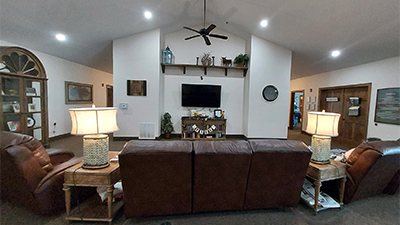
Keep reviewing the decision gradually. Dementia is not static, and neither are the capabilities of family caretakers. A setting that fits at age 82 may not be safe at 86. Allowing yourself to change the strategy is not a betrayal. It is responsive, responsible elderly care.
Above all, bear in mind that the move itself is not the amount overall of your relationship with your loved one. Your function modifications, however it does not disappear. You are still the historian, advocate, and emotional anchor. Whether they reside in assisted living or memory care, your presence, patience, and willingness to see the person below the illness stay the most essential constants in their senior care journey.
BeeHive Homes of Plainview provides assisted living care
BeeHive Homes of Plainview provides memory care services
BeeHive Homes of Plainview provides respite care services
BeeHive Homes of Plainview supports assistance with bathing and grooming
BeeHive Homes of Plainview offers private bedrooms with private bathrooms
BeeHive Homes of Plainview provides medication monitoring and documentation
BeeHive Homes of Plainview serves dietitian-approved meals
BeeHive Homes of Plainview provides housekeeping services
BeeHive Homes of Plainview provides laundry services
BeeHive Homes of Plainview offers community dining and social engagement activities
BeeHive Homes of Plainview features life enrichment activities
BeeHive Homes of Plainview supports personal care assistance during meals and daily routines
BeeHive Homes of Plainview promotes frequent physical and mental exercise opportunities
BeeHive Homes of Plainview provides a home-like residential environment
BeeHive Homes of Plainview creates customized care plans as residents’ needs change
BeeHive Homes of Plainview assesses individual resident care needs
BeeHive Homes of Plainview accepts private pay and long-term care insurance
BeeHive Homes of Plainview assists qualified veterans with Aid and Attendance benefits
BeeHive Homes of Plainview encourages meaningful resident-to-staff relationships
BeeHive Homes of Plainview delivers compassionate, attentive senior care focused on dignity and comfort
BeeHive Homes of Plainview has a phone number of (806) 452-5883
BeeHive Homes of Plainview has an address of 1435 Lometa Dr, Plainview, TX 79072
BeeHive Homes of Plainview has a website https://beehivehomes.com/locations/plainview/
BeeHive Homes of Plainview has Google Maps listing https://maps.app.goo.gl/UibVhBNmSuAjkgst5
BeeHive Homes of Plainview has Facebook page https://www.facebook.com/BeeHivePV
BeeHive Homes of Plainview has an YouTube page https://www.youtube.com/@WelcomeHomeBeeHiveHomes
BeeHive Homes of Plainview won Top Assisted Living Homes 2025
BeeHive Homes of Plainview earned Best Customer Service Award 2024
BeeHive Homes of Plainview placed 1st for Senior Living Communities 2025
People Also Ask about BeeHive Homes of Plainview
What is BeeHive Homes of Plainview Living monthly room rate?
The rate depends on the level of care that is needed. We do an initial evaluation for each potential resident to determine the level of care needed. The monthly rate is based on this evaluation. There are no hidden costs or fees
Can residents stay in BeeHive Homes until the end of their life?
Usually yes. There are exceptions, such as when there are safety issues with the resident, or they need 24 hour skilled nursing services
Do we have a nurse on staff?
No, but each BeeHive Home has a consulting Nurse available 24 – 7. if nursing services are needed, a doctor can order home health to come into the home
What are BeeHive Homes’ visiting hours?
Visiting hours are adjusted to accommodate the families and the resident’s needs… just not too early or too late
Do we have couple’s rooms available?
Yes, each home has rooms designed to accommodate couples. Please ask about the availability of these rooms
Where is BeeHive Homes of Plainview located?
BeeHive Homes of Plainview is conveniently located at 1435 Lometa Dr, Plainview, TX 79072. You can easily find directions on Google Maps or call at (806) 452-5883 Monday through Sunday 9:00am to 5:00pm
How can I contact BeeHive Homes of Plainview?
You can contact BeeHive Homes of Plainview by phone at: (806) 452-5883, visit their website at https://beehivehomes.com/locations/plainview/, or connect on social media via Facebook or YouTube
Running Water Draw Regional Park offers shaded walking paths and open green space where residents in assisted living, memory care, senior care, elderly care, and respite care can enjoy gentle outdoor relaxation.